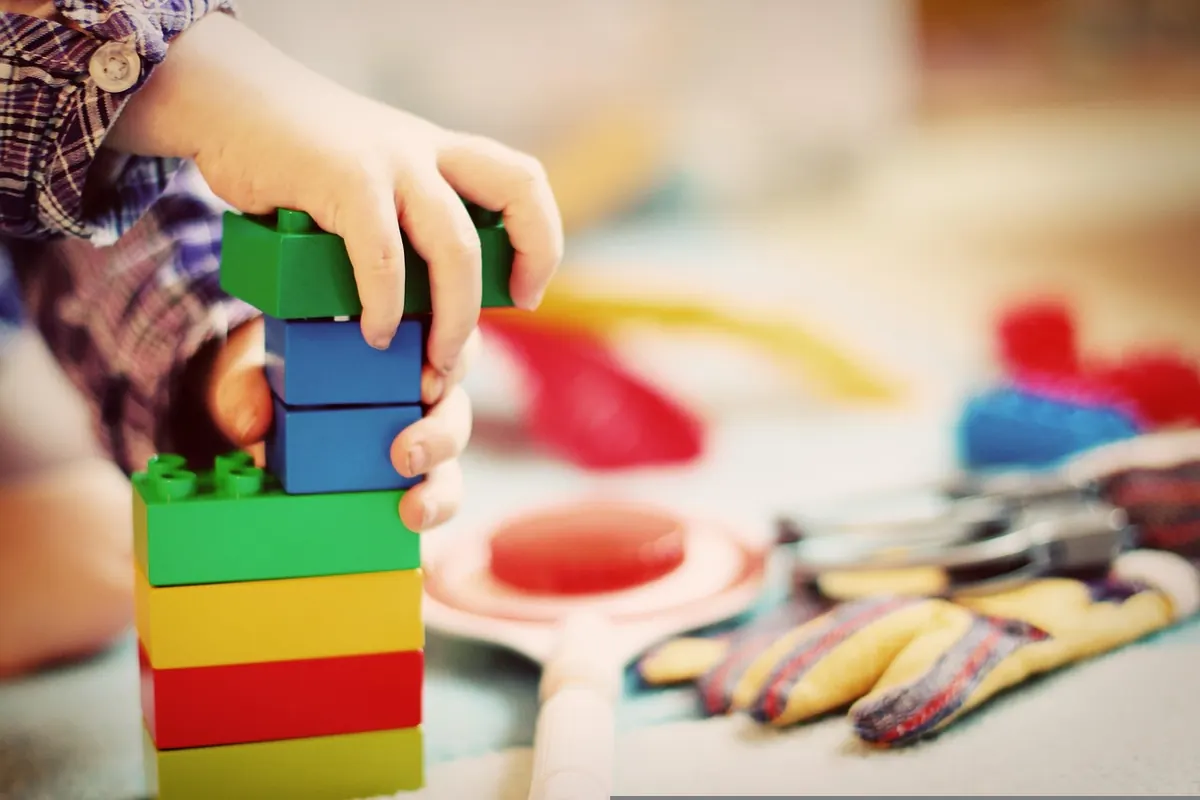
A block party works when it feels less like an event and more like a long afternoon in the front yard. The good ones are a little messy, slightly improvised, and organized by three or four people willing to knock on doors. What follows is the practical order of operations: what to check with your town, how to get people to show up, what to feed them, and how to end the night without leaving the street looking worse than you found it.
Big organizing meetings kill momentum. Find three or four people who already say hello to each other, and give each one a single job: permits, food, flyers, music and cleanup. That's the whole org chart.
Pick a date before anything else, and pick it defensively. Late afternoon into early evening works best, roughly 4 to 8 p.m., so families with young kids can come early and people getting off work can still catch the grill. Avoid holiday weekends, graduation weekends, and the first hot Saturday of the season, when everyone already has plans. A Saturday in early fall is often the easiest sell.
Keep the footprint small. One block, one corner, one cul-de-sac. A party that fills a single stretch of street feels full; a party spread over four blocks feels empty.
Start with your city or town clerk's office and ask what applies to a temporary street closure. They will usually point you to the police department, public works, or parks, depending on how your town is set up. Have these questions ready:
The signature requirement is common, and it's a gift in disguise: going door to door to collect signatures is also your first round of invitations. Start it two to three weeks out if you can.
Alcohol is usually the part with the strictest rules, sometimes requiring a permit, insurance, or a designated server. Ask before you buy anything. Permit requirements vary widely from one municipality to the next, so treat this list as a set of questions rather than legal advice, and let your town clerk's office be the authority. Get your approval in writing and keep a printed copy in a folder on the day of the event, in case a police officer or public works crew stops by with questions.
Do two rounds, paper and digital, and don't assume the neighborhood group chat covers everyone. Renters, new families, and older neighbors are often the ones most likely to be left out of a text thread and most likely to enjoy the party.
For paper invites, hand them out door to door about ten days ahead and again two days before. Tape them to doors or hand them to people directly rather than putting them in mailboxes. For digital, use whatever people actually read: a group text, a neighborhood app, a simple shared document, or an email list one neighbor already keeps.
Whichever format you use, include the same essentials: date, rain date, time window, location, what to bring, and a phone number for questions. Add one line about what's actually happening, such as "grill fires up at 4, kids' bike parade at 5:30, dessert at 6:30." People decide based on specifics.
Then build a sign-up sheet with categories, so you don't end up with seven pasta salads and no drinks: mains, sides, salads, desserts, drinks, ice, paper goods, and cleanup shifts. Ask about dietary needs and how many kids are coming. Assign each organizer eight doors to personally knock on and personally remind the day before. A cheap name tag with a street number on it does more for conversation than any icebreaker game.
Make the grill the anchor and keep everything else potluck. Ask people to bring their own protein to grill plus one dish to share, and have the hosts cover the unglamorous infrastructure: grill, fuel, tongs, plates, cups, napkins, water, ice, coolers, trash bags, and a roll of paper towels.
A few habits keep a potluck from turning chaotic. Label dishes with a marker and masking tape, and note common allergens. Keep anything with mayonnaise, dairy, or cooked meat in a cooler with ice, and don't leave perishables sitting out for hours in the sun. Set up a separate kid-height table with fruit, crackers, cheese, and cut-up vegetables, and a water station that's easy to find. If alcohol is part of the plan, keep it to one area and have someone responsible for watching it.
One speaker, not five. Point it toward the party rather than down the block, keep the volume under conversation level, and turn it down as the evening goes on. Let people add requests to a shared playlist on your phone; nobody remembers a perfect mix, but they remember being handed the aux cord.
For kids, sidewalk chalk, hula hoops, a bike parade, and a water balloon toss are enough. For adults, cornhole, a card table, or dominos give people something to do with their hands while they talk. Put a few chairs in the shade near the food for older neighbors who'd rather sit than stand.
A rough schedule helps more than a strict one: setup at 3, grill at 4, kids' parade at 5:30, dessert at 6:30, music down by 8:30. Announce key moments with a shout rather than a microphone.
Plan cleanup before the party starts. Two people handle trash at the halfway mark, three more take the final sweep, and you'll still need more hands than you think. Ask public works about an extra bin or pickup, do a slow walk of the block with gloves and bags for bottle caps, skewers, and balloon scraps, and hand leftovers to whoever wants them instead of leaving food on tables overnight.
Keep costs modest with a small shared kitty among the organizers for ice, paper goods, fuel, and a banner. If you collect any money at all, keep it simple and keep the receipts; a friendly line in the invitation like "we're covering supplies, just bring a dish" avoids awkwardness at the door.
Post a couple of photos to whatever group chat or app the block uses, and thank people by name. Leave the sidewalk chalk out for a week. Reach out to two or three people you hadn't talked to before, even just to say you're glad they came.
Then make the next one smaller and easier: coffee on a driveway on a Saturday morning, a fall soup night, a cookie swap in December. Save the flyer, the permit, and the sign-up sheet in a shared folder so whoever wants to run it next year starts with a template instead of a blank page. The party is worth having, but the introductions are what stick around.
Photo: FeeLoona / Pixabay

Local news isn't just small stories. It's the school budget, the zoning vote, the pothole on your street, and the...
A practical guide to youth sports tryouts covering paperwork, gear, schedules, coach communication and what to do...
A practical weekend checklist for gutters, pipes, yard hazards, and emergency supplies — so the first hard freeze...

Local stories from around the lane.
